


🌱Have You Cleaned Your Mind Today?
When we cut our finger, we rush to clean the wound, apply antiseptic, and slap on a Band-Aid. Physical hygiene is second nature to us. But what about our emotional wounds—rejection, failure, guilt, loneliness, anxiety? Do we ever stop to clean those?
Page Contents
- 🌱Have You Cleaned Your Mind Today?
- 🌱What Is Emotional Hygiene?
- 🌱Why Emotional Hygiene Is So Often Overlooked
- 🌱The Science Behind Emotional Health
- 🌱Key Signs You Need Emotional Hygiene
- 🌱Emotional Hygiene vs. Mental Health
- 🌱7 Emotional Hygiene Practices You Should Start Today
- 1. Recognize and Validate Your Emotions
- 2. Treat Negative Self-Talk Like an Infection
- 3. Apply Mental First Aid After Emotional Injuries
- 4. Create an Emotional Hygiene Kit
- 5. Limit Emotional Contamination
- 6. Practice Daily Mindfulness
- 7. Celebrate Small Emotional Wins
- 🌱A Personal Moment of Realization
- 🌱What Happens When You Practice Emotional Hygiene Daily?
- 🌱Final Thoughts: Make Emotional Hygiene Your Daily Ritual
- Further Reading & Resources
- You Might Also Like
Emotional health is the ability to understand, manage, and express emotions effectively. It involves coping with stress, building strong relationships, maintaining self-esteem, and adapting to life’s challenges. Good emotional health promotes mental clarity, resilience, and overall well-being, helping individuals live balanced, fulfilling lives with a positive outlook and inner stability.
Emotional hygiene is a concept that’s not talked about nearly as much as it should be, yet it’s just as essential as brushing your teeth or washing your hands. In fact, neglecting it can lead to long-term damage to our emotional health and overall well-being.
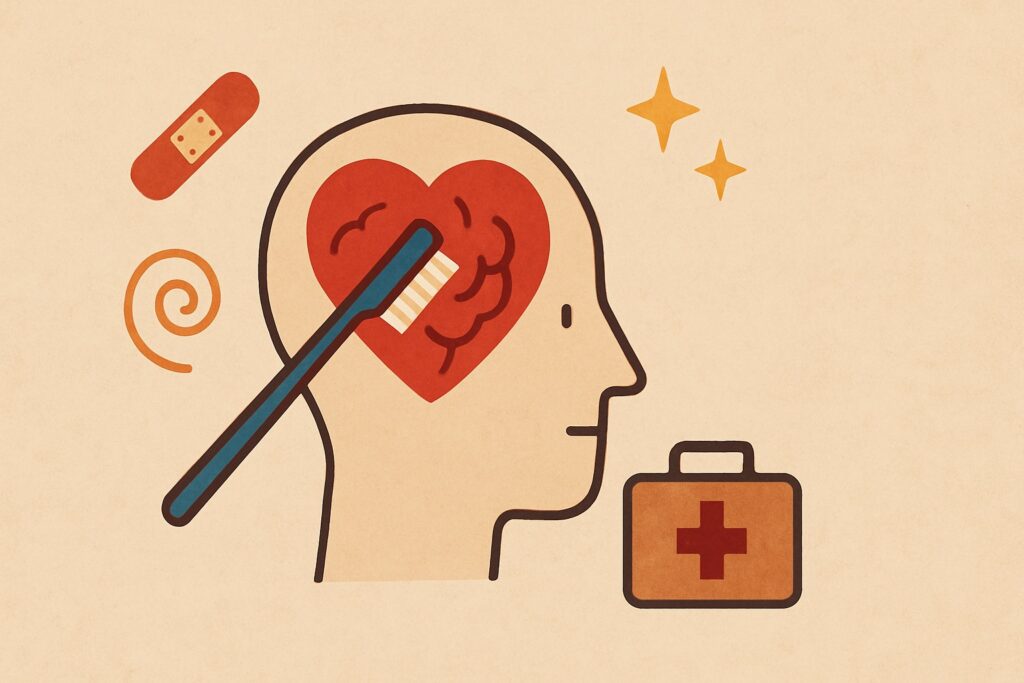
So today, let’s talk about why practicing emotional hygiene daily isn’t just good for you—it’s necessary.
🌱What Is Emotional Hygiene?
Emotional hygiene refers to the habits and practices that maintain and improve our emotional health, much like personal hygiene maintains physical health. It’s about paying attention to our psychological well-being, recognizing emotional wounds when they happen, and taking steps to heal before they fester.
Think of it as regular mental maintenance: identifying toxic thoughts, managing stress, countering self-criticism, and giving ourselves the emotional care we deserve.
“We sustain psychological injuries even more often than physical ones, yet we don’t prioritize emotional healing.”
— Dr. Guy Winch, Psychologist & Author of Emotional First Aid
🌱Why Emotional Hygiene Is So Often Overlooked
Let’s be honest—most of us were never taught how to handle emotional pain. We were told to “toughen up,” “move on,” or “not take it personally.” As a result, we suppress our feelings, hoping they’ll disappear on their own.
When I was 22, I failed a crucial interview that I had worked hard for. I didn’t talk to anyone about it. I buried it under work and Netflix. Weeks later, I started feeling unmotivated and lost. It wasn’t the failure itself that set me back—it was the emotional wound I didn’t treat.
We treat emotional pain like background noise, but unprocessed emotions grow roots. Left untreated, they become anxiety, depression, burnout, and even physical illnesses.
🌱The Science Behind Emotional Health
Researchers have long shown that emotional health and physical health are deeply intertwined:
- Unmanaged stress increases inflammation in the body, weakening the immune system.
- Loneliness and rejection can elevate blood pressure and disrupt sleep patterns.
- Chronic emotional pain can lead to depression and cognitive decline.
A 2013 Harvard study found that emotional suppression is linked to higher levels of psychological distress and lower life satisfaction. Simply put, ignoring emotional wounds is like ignoring a festering cut—it won’t heal, and it might even get worse.
🌱Key Signs You Need Emotional Hygiene
Sometimes, we don’t even realize we’re emotionally wounded. Watch out for these signs:
- Persistent self-doubt or self-criticism
- Feeling overwhelmed, even by small tasks
- Avoiding people or conversations
- Constant irritability or mood swings
- Rumination over past mistakes
- Loss of motivation or interest
If any of these sound familiar, it’s a signal—your emotional health needs attention.
🌱Emotional Hygiene vs. Mental Health
It’s important to note: emotional hygiene is not a substitute for professional mental health care. Rather, it’s a preventive practice—like brushing your teeth to avoid cavities, even if you still go to the dentist.
Mental health professionals are essential when emotional pain is deep or chronic. But daily emotional hygiene habits can:
- Prevent emotional wounds from worsening
- Build resilience
- Improve your relationships
- Strengthen your self-esteem
- Help you bounce back from setbacks faster
Also ready Signs Your Mental Health Needs a Reset
🌱7 Emotional Hygiene Practices You Should Start Today
Let’s get practical. Here are 7 emotional hygiene habits that are simple, effective, and science-backed:
1. Recognize and Validate Your Emotions
Your feelings are real. Don’t dismiss them with “I shouldn’t feel this way.”
Instead, name what you’re feeling: “I’m feeling anxious,” “I’m disappointed,” or “I feel left out.”
Naming emotions helps deactivate the amygdala (the brain’s fear center) and activates the prefrontal cortex (rational thinking). It’s called “name it to tame it.”
Try This:
At the end of each day, jot down how you felt and why. Even 3 sentences can bring emotional clarity.
2. Treat Negative Self-Talk Like an Infection
Would you talk to a friend the way you sometimes talk to yourself?
Self-criticism is one of the most corrosive habits to emotional health. When you notice harsh inner dialogue—pause. Ask:
“Is this voice helpful or harmful?”
Then reframe: Instead of “I failed again,” say, “This didn’t work out, but I can learn from it.”
Bonus Tip: Practice self-compassion. Research by Dr. Kristin Neff shows it improves resilience and reduces anxiety.
3. Apply Mental First Aid After Emotional Injuries
When something emotionally painful happens—rejection, loss, failure—respond to it like a physical injury:
- Don’t ignore it
- Acknowledge the pain
- Take steps to soothe and heal
Quick Method:
- Reflect: What happened? Why does it hurt?
- Soothe: Talk to a friend, journal, or go for a walk
- Reframe: What can I take from this experience?
4. Create an Emotional Hygiene Kit
You probably have a drawer with Band-Aids, ointment, and tissues. Why not one for emotional wounds?
Your emotional hygiene kit can include:
- A journal
- A list of calming activities (like painting, walking, listening to music)
- Affirmations
- Contacts of supportive people
- A favorite quote or podcast episode
This toolkit gives you go-to healing tools when you’re feeling emotionally off-balance.
5. Limit Emotional Contamination
We’re emotional sponges. Being around toxic people, doom-scrolling, or constant negativity affects our internal state.
Action Step:
Audit your emotional environment. What are you consuming? Who drains or energizes you?
Protecting your emotional energy is not selfish. It’s self-care.
Set healthy boundaries. Say no without guilt. Unfollow accounts that make you feel inadequate. Choose emotional wellness.
6. Practice Daily Mindfulness
Mindfulness isn’t just a buzzword. Studies show it reduces rumination, increases emotional regulation, and improves mental clarity.
Even 5 minutes a day can make a difference.
Simple Practice:
Sit quietly, focus on your breath. When your mind wanders, gently return your attention.
You can also try body scans or mindful journaling: “What did I feel today? What triggered me? What soothed me?”
7. Celebrate Small Emotional Wins
Most of us only celebrate external milestones—promotions, birthdays, goals. But inner progress matters too.
Did you set a boundary today? Celebrate it.
Did you choose rest over overwork? That’s growth.
Build an “Emotional Victory Log” where you note small inner triumphs weekly. This boosts self-worth and emotional self-awareness.
🌱A Personal Moment of Realization
Last year, I went through a period of burnout. Everything felt dull—even things I used to love. At first, I thought I needed a break from work. But the real problem? I had been emotionally neglecting myself for months.
Through journaling, therapy, and tiny daily emotional check-ins, I rebuilt my sense of joy and calm. Now, I spend 10 minutes each evening asking myself:
“How did I take care of my emotional self today?”
It’s a small ritual—but it changed everything.
🌱What Happens When You Practice Emotional Hygiene Daily?
✅ You recover faster from emotional setbacks
✅ You stop internalizing failure
✅ You reduce anxiety and increase mental clarity
✅ You improve relationships by showing up with emotional awareness
✅ You build resilience—like an inner emotional immune system
You become emotionally strong—not because nothing hurts you, but because you know how to heal.
🌱Final Thoughts: Make Emotional Hygiene Your Daily Ritual
Emotional hygiene isn’t indulgent. It’s intelligent. It’s self-respect. It’s maintenance for the most complex, brilliant system you own—your mind.
So tomorrow, when you brush your teeth, take 5 minutes to check in with your emotions too.
Ask yourself:
- What emotional wound needs tending?
- How can I support my emotional health today?
Start there. One day at a time.
Because when you care for your emotional hygiene, you don’t just survive—you truly thrive.
Further Reading & Resources
- Emotional First Aid by Dr. Guy Winch
- The Gifts of Imperfection by Brené Brown
- Greater Good Science Center (UC Berkeley): https://greatergood.berkeley.edu
- Mindful.org: https://www.mindful.org
You Might Also Like: