


🌱Wellness Isn’t a Luxury—It’s a Lifestyle
Let’s be real—life moves fast. You wake up, scramble through your day, try to juggle responsibilities, and by the time night comes, you’re mentally drained, emotionally cluttered, and physically wiped out. In the midst of this whirlwind, inner wellness often gets sidelined.
Page Contents
- 🌱Wellness Isn’t a Luxury—It’s a Lifestyle
- 🌱Why Daily Routines Are Crucial for Inner Wellness
- 🌱Crafting Your Morning Sanctuary: Examples & How-To
- ☀️Example Morning Routine A (Early Riser, Spiritual Focus)
- ☀️Example Morning Routine B (Gentle Start, Creative Focus)
- ☀️Key Principles for Morning Routines
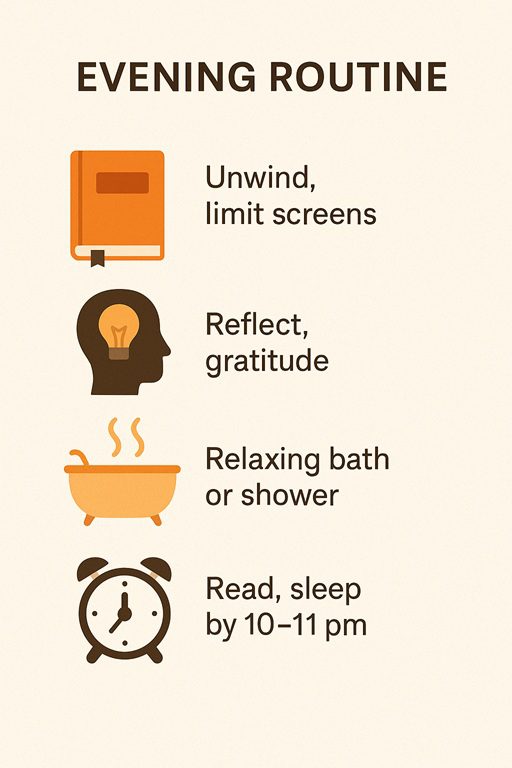
- 🌱Winding Down with Intention: Your Nightly Ritual for Peace
- 🌙Example Night Routine A (Digital Detox, Relaxation Focus)
- 🌙Example Night Routine B (Reflection, Preparation Focus)
- 🌙Key Principles for Night Routines
- 🌱Overcoming Obstacles & Sustaining Your Routine
- 🌱So, Are You Ready?
But here’s the thing: your inner state—how calm, resilient, energized, and centered you feel—is the foundation for everything else. When your daily wellness routine supports your body, mind, and emotions, life doesn’t just feel easier—it is easier.
Creating a routine isn’t about squeezing more into your day. It’s about creating space for yourself—space to breathe, ground, reflect, and reset. Following a daily routine is not just about doing yoga or drinking smoothies. It’s about ritualizing self-care into your daily rhythm—morning and night—so you nourish not only your body but also your thoughts, emotions, and spirit overall all your Inner Health. It’s important to know what inner health really means, why it matters, and how you can cultivate it every day.
In this guide, I’ll help you build a customized wellness routine with morning and evening examples, backed by research and enriched with personal insights. Whether you’re a busy professional, a student, or a homemaker, this routine is designed to fit into your lifestyle.
🌱Why Daily Routines Are Crucial for Inner Wellness
You might be thinking, “Another routine? My life is already packed!” And I get it. The very word “routine” can conjure images of rigidity and boredom. But when we talk about a daily wellness routine, we’re discussing something entirely different. We’re talking about a strategic, compassionate approach to structuring your day that prioritizes your well-being. It’s not about adding more to your plate; it’s about making sure your plate is filled with what truly nourishes you. This intentional structuring becomes your secret weapon in the quest for lasting inner peace.

We often think of wellness as something spontaneous—like meditating when we’re stressed or exercising after we’ve gained weight. But true wellness is proactive, not reactive.
Here’s what a well-crafted daily wellness routine can do:
- Regulate mood and emotions
- Lower stress and anxiety levels
- Enhance focus and mental clarity
- Improve digestion and sleep
- Foster emotional resilience
According to a study in the Journal of Psychiatric Research, individuals with consistent daily routines experience lower rates of mood disorders and better overall life satisfaction. Routines also help manage cortisol levels, improve circadian rhythm, and strengthen neural pathways for positive habits.
🌱Crafting Your Morning Sanctuary: Examples & How-To
The way you start your day has a disproportionate impact on how the rest of it unfolds. Think of your morning as setting the compass for your entire journey. Do you want to begin in a frantic rush, immediately reacting to external demands? Or would you prefer to wake up with intention, cultivating a sense of calm and clarity that carries you through the hours ahead?
For me, mornings used to be a blur of hitting the snooze button repeatedly, scrambling out of bed, and immediately reaching for my phone – a guaranteed recipe for starting the day feeling behind and overwhelmed. It was only when I consciously started protecting my first hour that I realized the profound difference it made. My energy levels shifted, my focus improved, and I felt a sense of control that had always evaded me. This isn’t about perfection, but about creating a “morning sanctuary” that truly nourishes you.
Here are a couple of examples of how different morning routines might look, followed by key principles to help you craft your own:
☀️Example Morning Routine A (Early Riser, Spiritual Focus)
This routine is for those who find peace in quiet introspection and a connection to something larger than themselves.
- 5:30 AM: Gentle Awakening & Hydration. Wake up with a non-jarring alarm (or naturally, if possible). Avoid immediately checking your phone. Slowly stretch in bed. Drink a glass of warm water with lemon to rehydrate and kickstart your metabolism.
- 5:45 AM: Meditation/Prayer. Dedicate 20-30 minutes to a meditation practice, prayer, or quiet contemplation. This could be a guided meditation app, sitting in silence, or engaging in a spiritual reading. The goal is to anchor yourself in the present and connect with your inner self.
- 6:15 AM: Journaling & Gratitude. Spend 15 minutes writing in a journal. This can be free-flowing thoughts, reflections on dreams, or a dedicated gratitude practice (listing 3-5 things you’re thankful for). This helps clear your mind and set a positive tone.
- 6:30 AM: Mindful Movement. Engage in 30 minutes of light stretching, gentle yoga, or a brisk walk outdoors (if weather permits). Connecting with your body and getting some fresh air can be incredibly invigorating.
- 7:00 AM: Nourishing Breakfast & Mindful Eating. Prepare and enjoy a healthy breakfast. Focus on eating slowly, savoring the flavors, and avoiding distractions like news or social media. This is a time for physical nourishment and quiet reflection.
- 7:30 AM: Plan Your Day. Review your priorities for the day. Jot down your top 3 tasks or intentions. This provides clarity and reduces mental clutter before you dive into work or other responsibilities.
If you are an early riser follow a similar daily routine, if you are with spiritual focus, then also you can follow this routine.
☀️Example Morning Routine B (Gentle Start, Creative Focus)
This routine is for those who prefer a more relaxed awakening and like to tap into their creative energy early on.

- 7:00 AM: Wake Up Gently. Allow yourself to wake up naturally if your schedule permits. Otherwise, use a light alarm. Perform some gentle stretches while still in bed, acknowledging your body.
- 7:15 AM: Inspirational Audio. While you’re getting ready, listen to a calming music playlist, an inspiring podcast, or an audiobook. This replaces the urge to check social media and floods your mind with positive input.
- 7:45 AM: Creative Expression. Dedicate 15-20 minutes to a creative outlet. This could be free-form writing, sketching, playing a musical instrument, or anything that allows you to express yourself without judgment. It sparks your mind and connects you to your inner joy.
- 8:00 AM: Mindful Breakfast & Tea/Coffee. Prepare a nutritious breakfast and enjoy it with a warm beverage. Use this time to simply be, perhaps gazing out a window or reading a physical book, rather than engaging with screens.
- 8:30 AM: Prioritize Your Day. Briefly outline the most important tasks for the day ahead. This helps you start with a sense of purpose and direction without feeling overwhelmed.
☀️Key Principles for Morning Routines:
- Start Small: Don’t try to implement everything at once. Choose one or two habits to begin with, integrate them for a week or two, and then gradually add more.
- Make It Personal: There’s no one-size-fits-all routine. Experiment to find what truly energizes and grounds you. What works for your friend might not work for you, and that’s perfectly okay.
- Protect the First Hour (or 30 Minutes): Make the first part of your day sacred. Resist the urge to immediately check emails, social media, or the news. These can instantly pull you into a reactive state.
- Avoid Immediate Phone Checking: This is a big one. Our phones are portals to external demands. Give yourself space to connect inward before you connect outward.
- Be Flexible, Not Rigid: Life happens. Some days, your routine might get derailed. Don’t beat yourself up! Acknowledge it and simply get back on track the next day. The power is in consistency over time, not perfection every single day.
Crafting your morning sanctuary is an act of self-love. It’s an investment in your mental clarity, emotional stability, and overall sense of well-being that pays dividends throughout your entire day.
🌱Winding Down with Intention: Your Nightly Ritual for Peace
Just as your morning routine sets the tone for the day ahead, your evening routine is paramount for preparing your mind and body for deep, restorative sleep.
It’s not merely about going to bed; it’s about signaling to your entire system that it’s time to shift gears, let go of the day’s stresses, and transition into a state of calm. Many of us fall into the trap of working right up until bedtime, or scrolling through social media until our eyes burn, only to wonder why sleep eludes us. I certainly did.
For years, my evenings consisted of a frantic dash to finish tasks, followed by endless doom-scrolling, leaving me wired and restless, despite feeling utterly exhausted. It wasn’t until I consciously started creating a “digital sunset” and a structured wind-down period that I truly understood the profound impact a well-crafted night routine has on sleep quality, morning energy, and overall inner peace.
It’s an act of compassion towards yourself, ensuring you not only physically rest but also mentally and emotionally recharge.
Here are a couple of examples of how different evening routines might look, along with key principles to help you design your own peaceful descent into night:
🌙Example Night Routine A (Digital Detox, Relaxation Focus)
This routine is designed for those who need to consciously disconnect from screens and engage in activities that promote deep relaxation.
- 7:00 PM: Mindful Meal & Connection. Enjoy a conscious dinner, ideally with loved ones, focusing on the conversation and the food itself, rather than distractions like TV. Aim to finish eating at least 2-3 hours before your planned bedtime to aid digestion.
- 8:00 PM: Prepare for Tomorrow. Spend 15-20 minutes tidying up your living space, preparing your clothes for the next day, or packing your lunch. This proactive step reduces morning stress and helps your mind feel “closed” on the day’s tasks.
- 8:30 PM: Digital Sunset. This is a non-negotiable! Power down all non-essential screens – phone, tablet, computer, TV. The blue light emitted by screens suppresses melatonin production, making it harder to fall asleep. Find an alternative activity.
- 8:45 PM: Leisurely Reading or Gentle Hobby. Pick up a physical book (fiction or non-fiction, but avoid anything too stimulating or work-related). Alternatively, engage in a gentle hobby like knitting, drawing, listening to a calming podcast, or playing a board game with family.
- 9:30 PM: Warm Bath/Shower & Aromatherapy. Take a warm bath or shower. Add essential oils like lavender or chamomile to the water or use a diffuser in your bedroom. The warm water helps relax muscles and slightly lowers body temperature after, signaling sleep.
- 10:00 PM: Light Stretching & Gratitude. Perform 10-15 minutes of gentle stretches or restorative yoga poses. Lie in bed and briefly reflect on 3-5 positive things that happened during the day. This shifts your focus to gratitude and away from worries.
- 10:30 PM: Bedtime & Breath Awareness. Get into bed. Focus on your breath, perhaps practicing a 4-7-8 breathing technique (inhale for 4, hold for 7, exhale for 8) or a guided sleep meditation. Aim for lights out by this time.
🌙Example Night Routine B (Reflection, Preparation Focus)
This routine incorporates reflection and ensures that any lingering mental “to-dos” are handled before sleep.

- 7:30 PM: Transition from Work. If you work from home, symbolically “close” your workday. This might mean closing your laptop, putting away work documents, or even stepping outside for a few minutes to mark the transition.
- 8:00 PM: Light Evening Refreshment. Have a light, easily digestible snack if needed, or a calming herbal tea. Avoid heavy meals or caffeine.
- 8:30 PM: Day Review & Brain Dump. Spend 15-20 minutes reviewing your day. What went well? What challenges arose? Briefly jot down any lingering thoughts, worries, or tasks for tomorrow in a “brain dump” journal. This gets them out of your head and onto paper.
- 9:00 PM: Connect with Loved Ones. Engage in a meaningful conversation with family members, make a short phone call to a friend, or simply spend quality, unplugged time together.
- 9:30 PM: Prepare Sleep Environment. Ensure your bedroom is dark, cool (ideally between 18-20°C or 65-68°F), and quiet. Turn off bright overhead lights and switch to softer lamps if necessary. Make your bed comfortable.
- 10:00 PM: Calming Audio. Listen to a sleep story, ambient nature sounds, or a calming classical music piece. This provides a gentle auditory focus, diverting your mind from daily worries.
- 10:30 PM: Lights Out. Get into bed. If your mind is still racing, try a progressive muscle relaxation exercise, tensing and relaxing different muscle groups from your toes to your head.
🌙Key Principles for Night Routines:
Embracing a nightly ritual is not just about getting more sleep; it’s about getting better quality sleep. It’s about giving yourself the gift of true rest, allowing your mind to process, your body to repair, and your spirit to rejuvenate, so you can greet the new day with renewed energy and inner calm.
- Signal to Your Body: The primary goal is to send clear signals to your body and mind that it’s time to wind down. This predictability helps regulate your circadian rhythm.
- Reduce Stimulating Activities: Avoid anything that gets your heart rate up, excites your mind, or exposes you to bright lights in the hour or two before bed. This includes intense exercise, thrilling movies, arguments, or work emails.
- Create a Conducive Sleep Environment: Your bedroom should be a sanctuary for sleep. Dark, quiet, and cool are the three most important factors.
- Be Consistent (Even on Weekends): While flexibility is important, try to maintain a relatively consistent bedtime and wake-up time, even on weekends. This significantly benefits your body’s internal clock.
- Listen to Your Body: Pay attention to what helps you relax and what hinders your sleep. Adjust your routine based on your own unique needs and preferences.
🌱Overcoming Obstacles & Sustaining Your Routine
You’ve designed your perfect morning sanctuary and your peaceful nightly ritual. Now comes the real work: making it stick. It’s easy to feel enthusiastic in the beginning, but life has a way of throwing curveballs. Don’t be discouraged!
Building and sustaining a daily wellness routine is a journey, not a destination, and encountering obstacles is a natural part of the process. The key is not to aim for perfection, but for persistence and self-compassion.
- Flexibility Over Rigidity: Life Happens! This is perhaps the most crucial mindset shift. Your routine is a guide, not a dictator. There will be days when you wake up late, have an unexpected early meeting, or are simply too exhausted to follow every step. And that is absolutely okay!
- The power of a routine lies in its consistent return, not its unbroken streak. Remember the “compound effect” – a few missed days won’t derail weeks of effort. The biggest mistake people make is abandoning their entire routine because they missed a day or two. Instead, practice radical self-forgiveness. Acknowledge the missed step, and then simply get back to it the very next opportunity you have.
- Start Small, Build Up Gradually: Don’t try to overhaul your entire day at once. This is a recipe for burnout and frustration. Instead, choose one or two small, actionable habits to integrate first. Perhaps it’s just five minutes of mindful breathing in the morning, or putting your phone away 30 minutes before bed. Once those feel natural, layer on another small habit. This gradual approach makes the routine feel manageable and sustainable, building momentum and confidence.
- Be Patient with Yourself: Habit Formation Takes Time: Scientific research on habit formation (as explored by experts like Charles Duhigg in The Power of Habit and James Clear in Atomic Habits) suggests that it takes anywhere from 18 to 254 days for a new habit to become automatic, with an average of 66 days. This means you need patience and persistence. There will be days when it feels hard, and days when you forget. That’s normal. Celebrate the small victories, acknowledge the challenges, and keep showing up for yourself.
- Identify Your “Why”: Reconnect with Your Motivation: On days when motivation wanes, remind yourself why you started this journey. What does inner wellness mean to you? How does this routine contribute to your peace, clarity, or joy? Keeping your core motivation at the forefront will provide the intrinsic drive to push through inertia. Perhaps create a vision board or a simple note that articulates your “why” and keep it where you can see it.
- Review and Adjust: Your Routine Should Evolve with You: Your life changes, and so should your routine. What worked perfectly for you six months ago might not serve you now. Regularly (e.g., quarterly or monthly) check in with your routine. Are there elements that no longer resonate? Are there new aspects of wellness you want to integrate? Be willing to experiment, tweak, and refine your routine to ensure it remains a supportive tool, not a rigid prison.
- Seek Accountability (If It Helps You): For some, having an accountability partner can be incredibly motivating. Share your routine goals with a trusted friend or family member. You could even use habit-tracking apps that provide visual reminders and streaks, which can be surprisingly satisfying. Just remember that external accountability should supplement, not replace, your internal motivation.
Building a daily wellness routine is an ongoing conversation with yourself. It’s about committing to small, consistent acts of self-care that accumulate into profound inner transformation. It’s about showing up for yourself, day after day, with compassion and intention.
🌱So, Are You Ready?
So, we’ve journeyed through the landscape of inner wellness, revealing that true peace isn’t found in fleeting moments of escape, but in the intentional cultivation of our daily lives. A structured daily wellness routine isn’t a luxury; it’s a powerful, transformative tool. It’s your personalized commitment to nurturing your mind, body, and spirit, creating a resilient foundation that allows you to navigate the complexities of modern life with greater calm, clarity, and joy.
Remember, this isn’t about rigid perfection; it’s about compassionate intentionality. It’s about taking small, consistent steps – protecting your morning sanctuary, winding down with purpose each night, and integrating the core pillars of mindfulness, movement, connection, growth, and rest. You don’t have to overhaul everything at once. Start small, be patient, and allow your routine to evolve with you.
Your daily wellness routine is arguably the most profound gift you can give yourself. It’s a non-negotiable act of self-love, a steadfast commitment to your own peace and well-being. So, take a deep breath, choose one small step to begin, and embark on this incredibly rewarding journey toward a life rich with inner wellness. You deserve it.
Also Read