

Why Your Breath Matters More Than You Think
Have you ever noticed how your breathing changes when you’re stressed? It becomes shallow, rapid, and irregular. Now think about a time when you were calm — your breath was probably slower, deeper, and more rhythmic. That’s not a coincidence.
Page Contents
- Why Your Breath Matters More Than You Think
- What Is Breathwork?
- Breathwork ≠ Just Breathing
- The Science Behind Breathwork and Anxiety
- My Story: The Day Breathwork Saved Me
- Technique 1: 4-7-8 Breathing — A Natural Tranquilizer
- Technique 2: Box Breathing — The Navy SEAL Method for Calm & Focus
- When & How to Incorporate Breathwork Into Daily Life
- Common Mistakes to Avoid
- Personal Reflections: What Changed for Me
- Breathwork and Long-Term Mental Health
- Your Breath Is Your Superpower
- Quick Recap
- What’s Next?
The way we breathe is intimately connected to our mental state. And when done with intention, breathwork can be one of the most accessible and effective tools to manage anxiety and restore clarity. In fact, learning to control your breath might just be the missing link in your stress-relief routine.
In this post, we’ll explore how breathwork for anxiety works, the science behind it, and two powerful techniques — 4-7-8 breathing and box breathing — that you can use anywhere, anytime.
What Is Breathwork?
Breathwork is an umbrella term for breathing techniques and exercises that are consciously practiced to improve physical, mental, and emotional well-being. While the concept has roots in ancient traditions like Pranayama in yoga and Qigong in Chinese medicine, modern psychology and neuroscience now validate breathwork as a legitimate method for managing anxiety, boosting clarity, and calming the nervous system.
Breathwork ≠ Just Breathing
Yes, we breathe all day without thinking. But breathwork is about intentional breathing. It’s the difference between letting your heart beat on its own and choosing to slow your heartbeat by calming your mind.
Breathwork offers a direct, fast-acting path to shift you from a fight-or-flight response to a rest-and-digest state — crucial when you’re battling anxiety or mental fog.
The Science Behind Breathwork and Anxiety
Let’s get into the biology for a moment. When you’re anxious, your body activates the sympathetic nervous system, which triggers a cascade of stress hormones like adrenaline and cortisol. This is helpful if you’re in danger — but not so great when you’re just overthinking a conversation from last night.
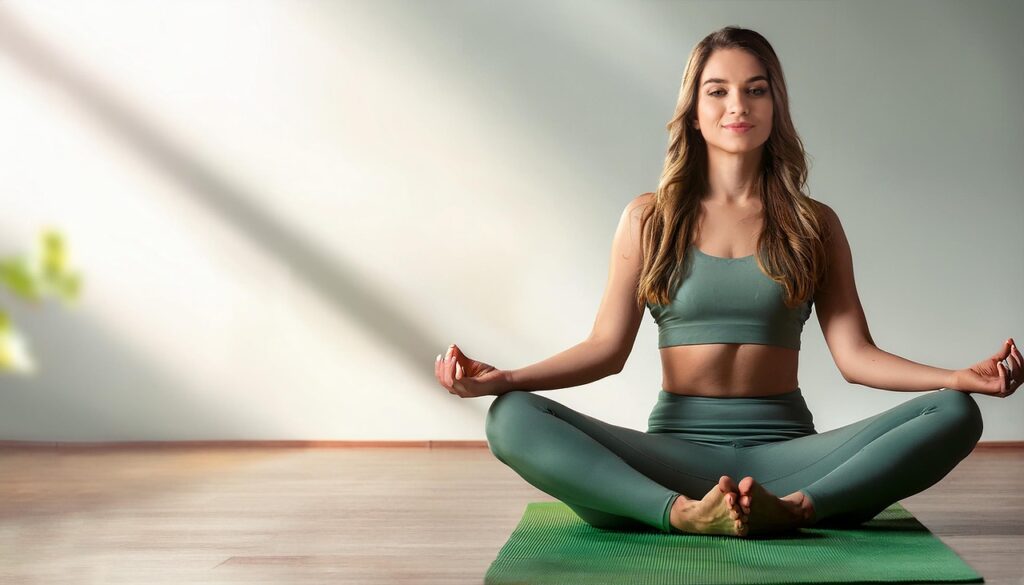
Breathwork, especially slow and rhythmic breathing, activates the parasympathetic nervous system, which does the opposite — it tells your body that you’re safe, and helps reduce:
- Heart rate
- Blood pressure
- Muscle tension
- Racing thoughts
A study published in Frontiers in Human Neuroscience (2018) found that slow-paced breathing improves vagal tone, which is linked to emotional regulation and resilience. Another study in JAMA Psychiatry (2020) showed that breath-based interventions are effective in reducing anxiety and promoting well-being.
My Story: The Day Breathwork Saved Me
I’ll never forget one particular afternoon of summers of 2022. I was waiting to give an important presentation. My hands were trembling, my chest tight, and my thoughts were spiraling. A colleague noticed and handed me a sticky note with “4-7-8” written on it.
“Breathe like this — inhale 4, hold 7, exhale 8. Do it 4 times,” she whispered.
Skeptical but desperate, I tried it. Two minutes later, the fog cleared. My heart slowed. I felt… present.
Since then, breathwork has been my go-to tool in moments of panic, overwhelm, and even insomnia. And the best part? It’s free, discreet, and requires nothing but your breath.
Technique 1: 4-7-8 Breathing — A Natural Tranquilizer
Developed by Dr. Andrew Weil, the 4-7-8 breathing method is often referred to as a “natural tranquilizer for the nervous system.” It works by regulating the breath, slowing the heart rate, and easing the mind.
How to Do It:
- Inhale quietly through your nose for 4 seconds
- Hold your breath for 7 seconds
- Exhale completely through your mouth with a whooshing sound for 8 seconds
- Repeat the cycle 4 times
Why It Works:
- The long exhale stimulates the vagus nerve, which calms the nervous system.
- Holding the breath increases CO2 levels, which helps reduce excitability in the brain.
- It creates a meditative rhythm, anchoring you in the present.
Tip: Use this technique before bed to fall asleep faster or during a stressful meeting to regain composure.
Technique 2: Box Breathing — The Navy SEAL Method for Calm & Focus
Box breathing, also known as square breathing, is a powerful technique used by Navy SEALs and athletes to maintain calm under pressure. It’s structured, easy to remember, and great for building mental clarity.
How to Do It:
- Inhale through your nose for 4 seconds
- Hold your breath for 4 seconds
- Exhale through your mouth for 4 seconds
- Hold again for 4 seconds
- Repeat for 4-5 rounds
Why It Works:
- The equal parts of breathing and holding create balance in oxygen and CO2 levels.
- It enhances focus and concentration, useful when your mind feels scattered.
- The counting adds a mindfulness element, anchoring you in the now.
Try it: Before a big exam, during a tense conversation, or as a daily mental reset.
When & How to Incorporate Breathwork Into Daily Life
The beauty of breathwork is its simplicity and versatility. You can use it:
| Situation | Recommended Technique |
|---|---|
| Feeling anxious in a meeting | 4-7-8 Breathing |
| Struggling to sleep | 4-7-8 Breathing |
| Mental fatigue mid-workday | Box Breathing |
| Overwhelmed during commute/traffic | Box Breathing or both |
| Panic attack symptoms starting | 4-7-8 Breathing |
| Need a quick focus boost | Box Breathing |

Start small — even 2 minutes a day can make a difference. You can stack it with other habits like:
- Doing it before meditation or journaling
- Practicing breathwork during a walk
- Taking 3 conscious breaths every time you check your phone
Common Mistakes to Avoid
Like any practice, breathwork takes awareness. Here are a few things to keep in mind:
- Don’t force it. Breathing too deeply too fast can make you dizzy.
- Be consistent. One session helps, but a routine transforms.
- Avoid over-holding. Especially if you’re new, holding too long can be uncomfortable.
- Sit comfortably. Support your posture to allow full, open breathing.
Pro tip: Set a reminder or use apps like Insight Timer, Breethe, or Othership to guide your practice.
Personal Reflections: What Changed for Me
After incorporating breathwork regularly, I noticed subtle but profound shifts:
- Reduced anxiety spikes. I still get anxious, but it doesn’t derail me.
- More emotional clarity. I can respond instead of react.
- Deeper sleep. Nighttime 4-7-8 breathing became my personal lullaby.
- Improved focus. Box breathing before writing sessions helps clear mental clutter.
This isn’t magic. It’s your body’s built-in system for healing — you’re just learning how to access it.
Breathwork and Long-Term Mental Health
While breathwork can be an immediate fix, over time it also contributes to resilience and emotional regulation. When practiced daily, it trains your nervous system to return to balance more quickly after stress.
But it’s not a replacement for therapy, medication, or professional help when needed. Rather, breathwork is a bridge — connecting body and mind, stillness and action, stress and clarity.
If you’re struggling with chronic anxiety, breathwork can be a cornerstone practice, alongside counseling, support groups, or other wellness strategies.
Your Breath Is Your Superpower
We often search for peace outside of ourselves — in apps, self-help books, or that elusive weekend off. But sometimes, the most profound healing comes from turning inward. Your breath is always with you. It’s free, powerful, and deeply personal.
So, the next time anxiety creeps in, remember, you don’t have to fix everything. Just breathe. Slowly. Intentionally. One breath at a time.
Quick Recap
- Breathwork is a simple but powerful tool to reduce anxiety and improve mental clarity.
- 4-7-8 Breathing calms the nervous system and is perfect for panic or sleep issues.
- Box Breathing sharpens focus and builds resilience, ideal for performance and clarity.
- Start with just 2-5 minutes daily and build up.
- Combine it with mindfulness or journaling for deeper impact.
What’s Next?
Want to explore more ways to nurture your inner calm and clarity?
👉 Read: Grounding Techniques to Heal Mind & Body
👉 Try: Meditation for Beginners: Start in 5 Minutes
👉 Join our newsletter on InnerHealthDaily.com for weekly breath-based wellness tips!